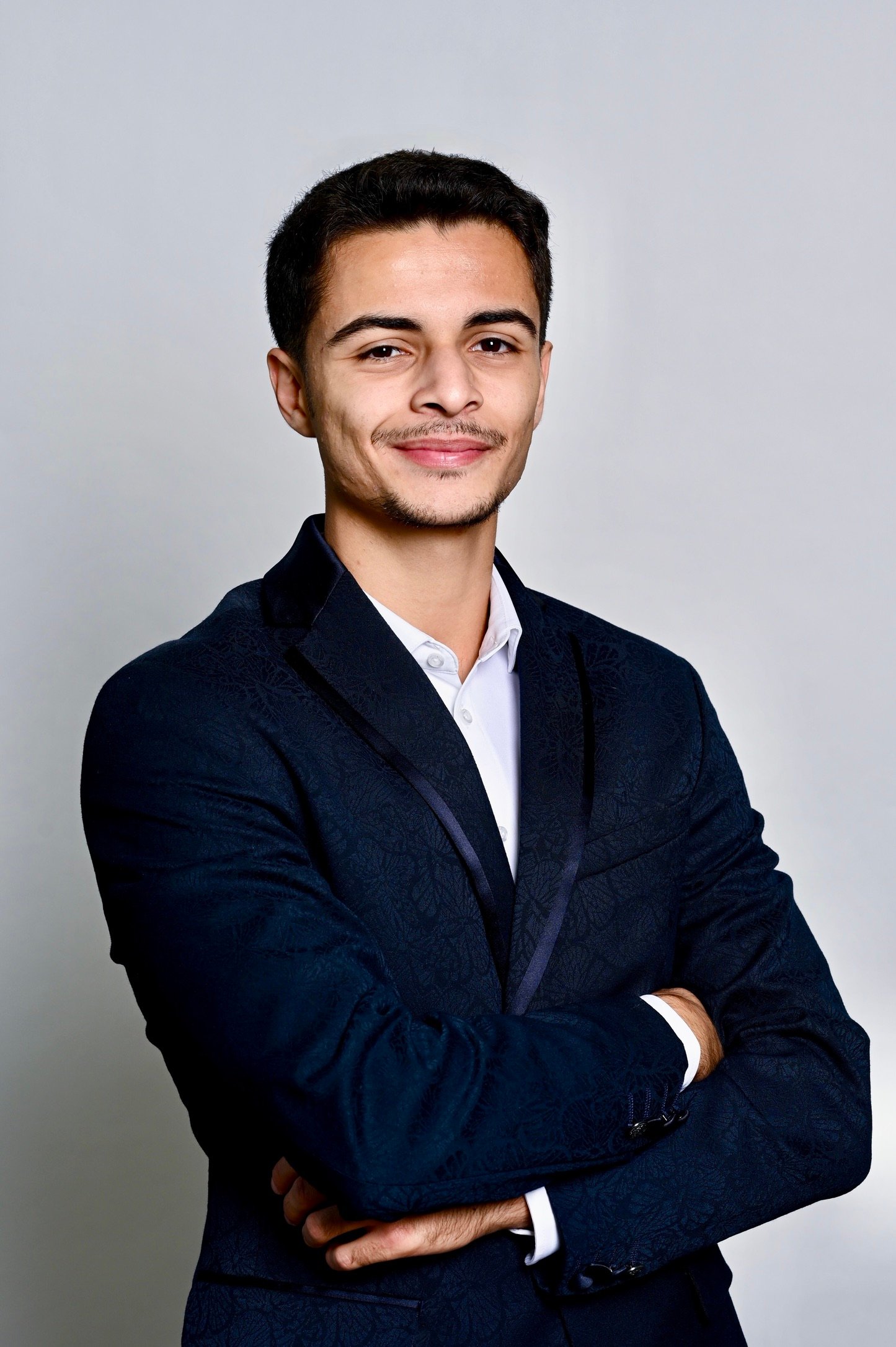
What is your position today?
I am currently a Data Scientist Consultant at AVISIA. I am involved in the development of algorithms aimed at optimizing, predicting and modeling clients' processes in order to help them improve productivity and decision-making within their businesses. When working on a digital product that is intended to be industrialized, it is essential to cover all stages of its lifecycle. This starts with the project framing phase, where we focus on clearly understanding the client's expectations and business needs. This step involves identifying data requirements, assessing data availability, clarifying variables, and aligning the technical approach with the client's objectives.
Once the scope is well defined, the project moves into execution: data engineering and pipeline construction, feature engineering, model training and testing, and finally the development of a user-oriented interface. The product is then tested at different levels before deployment. Throughout the project, regular meetings (daily, weekly or monthly) are organized to monitor progress, adjust priorities and ensure alignment with the client.
What was your path from Master's graduation to this current post, and what are the key elements that helped to make your choice?
I first enrolled in the Master 1 in Applied Economics (standard track). During this year, I realized that the part I enjoyed the most was the empirical and data-driven side of economics. This naturally led me to pursue the Master 2 in Econometrics and Empirical Economics. This program was an obvious choice for me, as it offers a strong toolbox of quantitative methods, particularly in econometrics, but also in machine learning and database processing, initially applied to economics but transferable to other fields. These skills prepared me well for my current role at AVISIA as it provided robust statistical rigor, in line with the standards of my Master's program. I then completed my end-of-studies internship at AVISIA, which allowed me to apply these methods to real business cases. At the end of the internship, I continued with the company on a full-time contract.
According to your professional experience, what are the most useful skills you obtained during your degree?
In my experience, the most valuable skills I gained during my degree are the quantitative and statistical modeling methods. My objective is to further develop in this area in order to position myself as an Applied Data Scientist specialized in advanced modeling techniques. The solid foundation in statistics, econometrics and data analysis has been particularly useful in my professional missions. Today, data and statistics are present in almost all companies, especially with the rapid expansion of AI technologies. These skills open many career opportunities and allow you to work across a wide range of industries, institutions and business contexts.
What advice would you like to give to the TSE students, or to the school?
The only advice I could give is related to internships and job applications. Regarding CVs, make sure they match the spirit of the company, and above all, its field of expertise, and try to keep them concise by avoiding unnecessary information that is not relevant to the position.
As for interviews, be polite and approachable (not too formal and not too casual, find the right balance), because interviewers are hiring a future colleague. Depending on the company, they may place more or less emphasis on the human and interpersonal aspect.