This year, I moved to Oslo for two semesters to complete the first year of my Master's in Economics at the University of Oslo. I took courses in macroeconomics, microeconomics, finance theory, applied time series analysis, and strategic competition — the latter being roughly equivalent to Industrial Organization at TSE. The academic year ran from mid-August to late May, making it a full ten months abroad.
Why did you choose your host university?
Honestly, the choice was straightforward by elimination. My options were Montreal, Barcelona, and Oslo. Oslo was the one I knew least about — I had no connections there, no prior knowledge of the culture, and no particular reason to go. That uncertainty is exactly what drew me in. Previous exchange students had consistently praised it, and the combination of stunning nature and a reputable economics department sealed the decision. Sometimes the best choice is the one that scares you a little.
What were the main differences between TSE and your host university?
The most striking difference is the structure of the workload. At UiO, students take only three courses per semester, each worth 10 credits, which is significantly lighter than at TSE. Exams are computer-based and mostly essay-style, with very little computation. There is no thesis or internship requirement to graduate; the system is simply pass/fail. The academic year is also longer, beginning in mid-August and ending in late May or June. For someone coming from the intensity of TSE, this lighter course load took some adjustment — it offered more freedom, but also required greater self-discipline to stay productive.
How did this experience contribute to your academic and personal development?
Academically, the standout was a solo research project on Norwegian housing prices and Norges Bank's interest rate policy. It was more about how to craft it, than the economics behind it. Like learning to use AI and coding together, managing my own timeline, and cutting a 25-page draft down to 15. That last part was harder than I expected. Turns out, knowing what to leave out is its own skill. The other thing I'll take with me: read the exam guidelines. Properly. I learned that one the hard way.
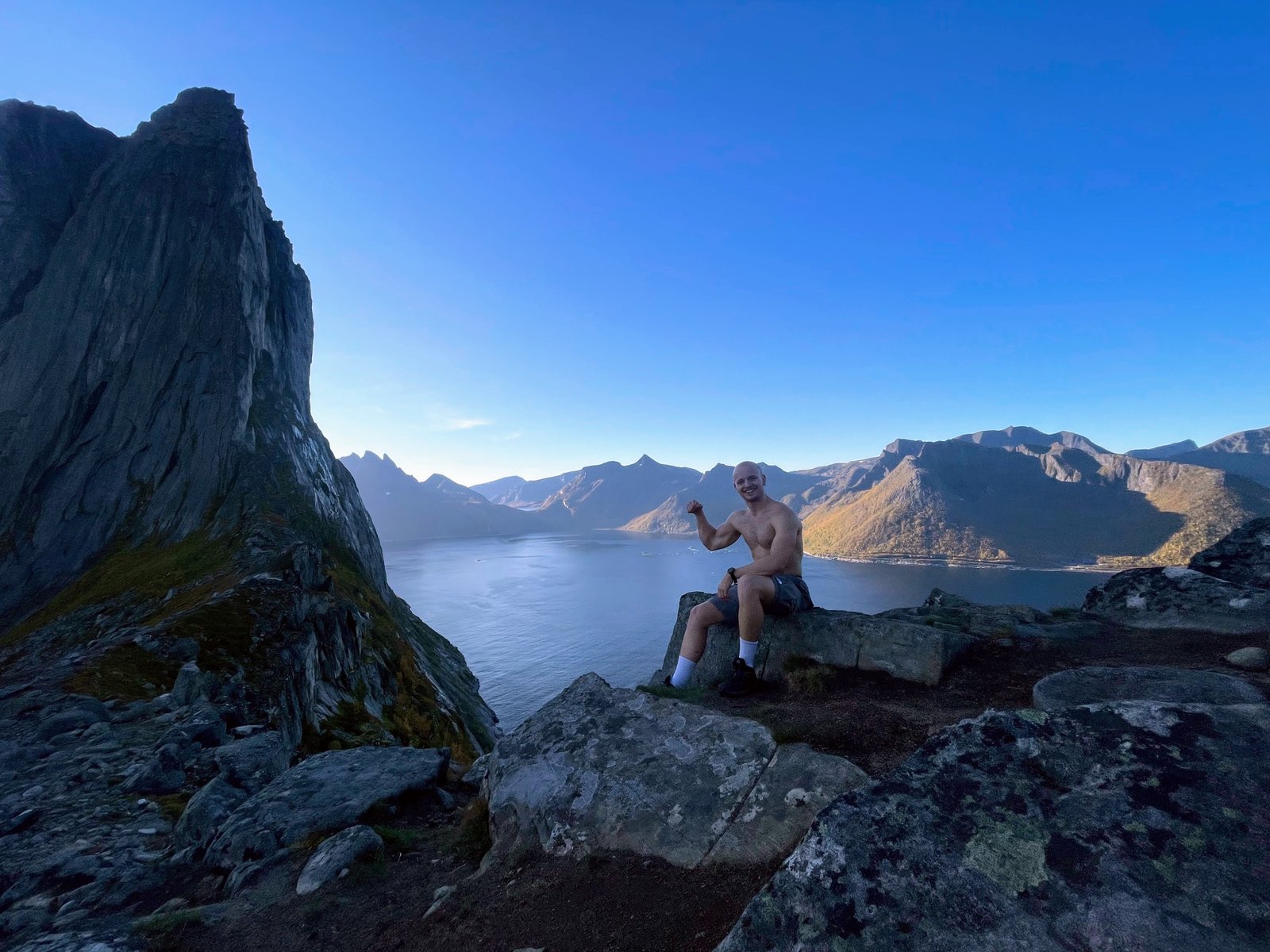
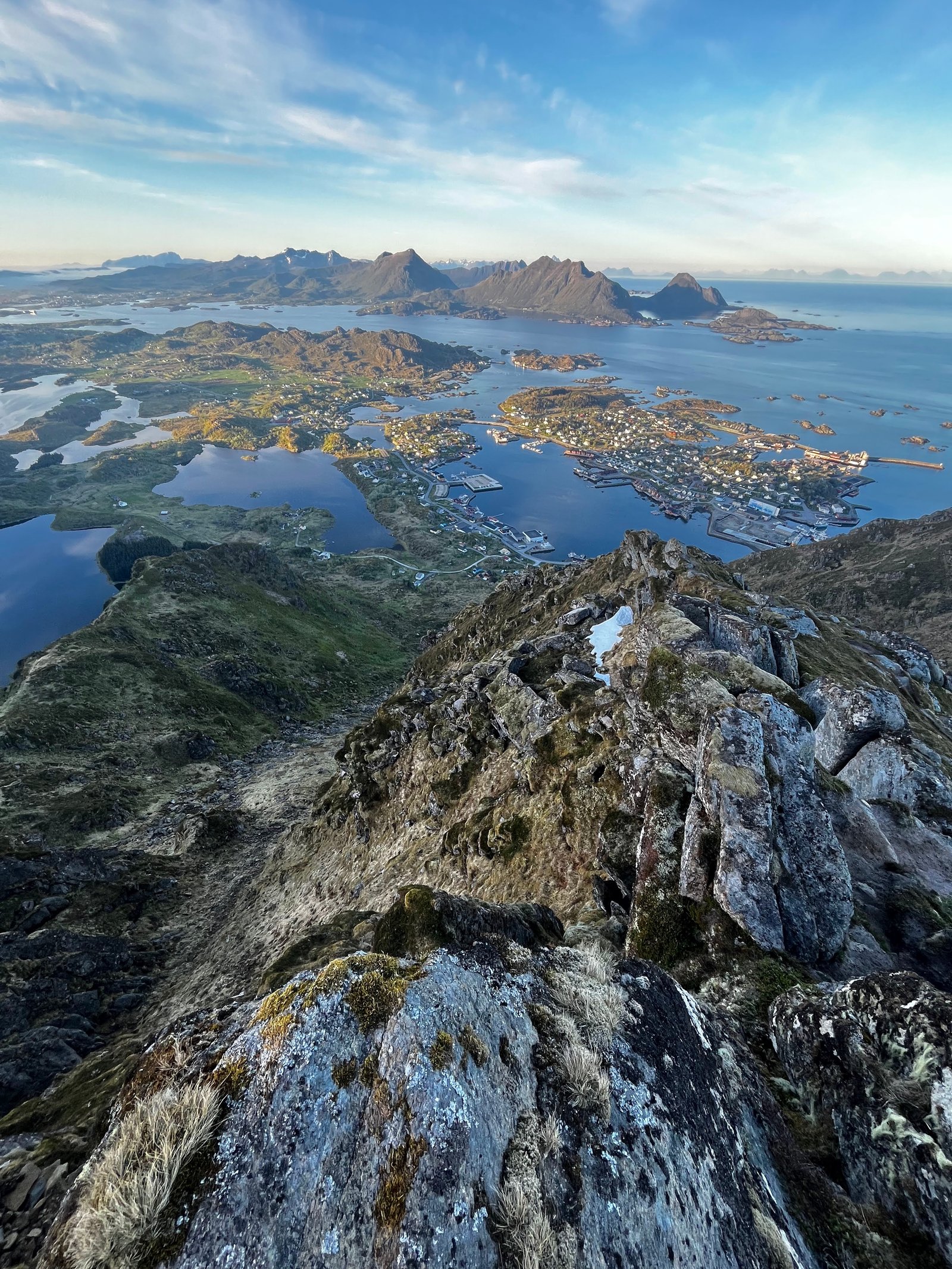
On a personal level, living in a student village (studentby) taught me a great deal about how community really functions. Plans were often made at the last minute, people shared dinners spontaneously, and those small moments ended up mattering more than I would have expected. Living so closely with people from all over the world was a real contrast to Toulouse. I also traveled across seven countries and visited Bergen and Lofoten; the exposure to different environments and perspectives is something you simply cannot replicate by staying in one place.
How was your experience adapting to student life at your host university?
Adapting within the exchange student community was easy. We were all in the same situation, which naturally created bonds fast. The studentby setup helped a lot. The proximity forced spontaneity, and that made building a social circle feel effortless. That said, integrating with Norwegian students was much more difficult. They tend to socialise within their own established groups, and as an exchange student, it can be genuinely hard to break through. Even after a full year, I had barely gotten to know any locals. That surprised me then and, honestly, still does. If I were to do it again, I would make that a much more deliberate priority from day one.
What was the biggest challenge you faced during your gap year?
The biggest challenge was honestly just keeping uni as a priority. Exchange life throws a lot at you constantly. Friends planning trips every other weekend, new people to meet, things to discover. It's easy to let studying slip.
The most concrete example was the 17th of May, Norway's National Day. Massive celebrations, parties all over the city, and I had two exams in the days right after. That one tested me a bit.
What surprised you the most about your host country or university?
The distance with Norwegians, honestly. I knew they had a reputation for being reserved, but I genuinely thought that living in the same spaces would break that down naturally. It didn't really.

Most exchange students ended up clustering by nationality or background. But some did mix, and that's where it got interesting. My friend group ended up being this mix of Australians, North Americans, Europeans, Asians. I actually love that about it. Different perspectives, different ways of seeing things, and if nothing else, I now have free lodgings scattered around the world.
What was your favourite memory from the experience?
The first week in August, easily. Everyone had just arrived, nobody knew anyone, and there was this unspoken energy where every knock on a door or message in a group chat could turn into something. Beers at night, hikes and swims during the day, nobody hiding in their room. The lake nearby, the sun still out, the city completely new. It felt like everyone was just saying yes to everything.
That week set the tone for the whole semester. Some of the people I met in those first few days became my closest friends out there. You don't get many moments like that in life where the conditions are just right for connection.